
Few architectural features are as recognisably British as the sash window. Found everywhere from elegant Georgian townhouses to country cottages and Victorian terraces, sash windows have been shaping the character of Britain’s homes for over 300 years.
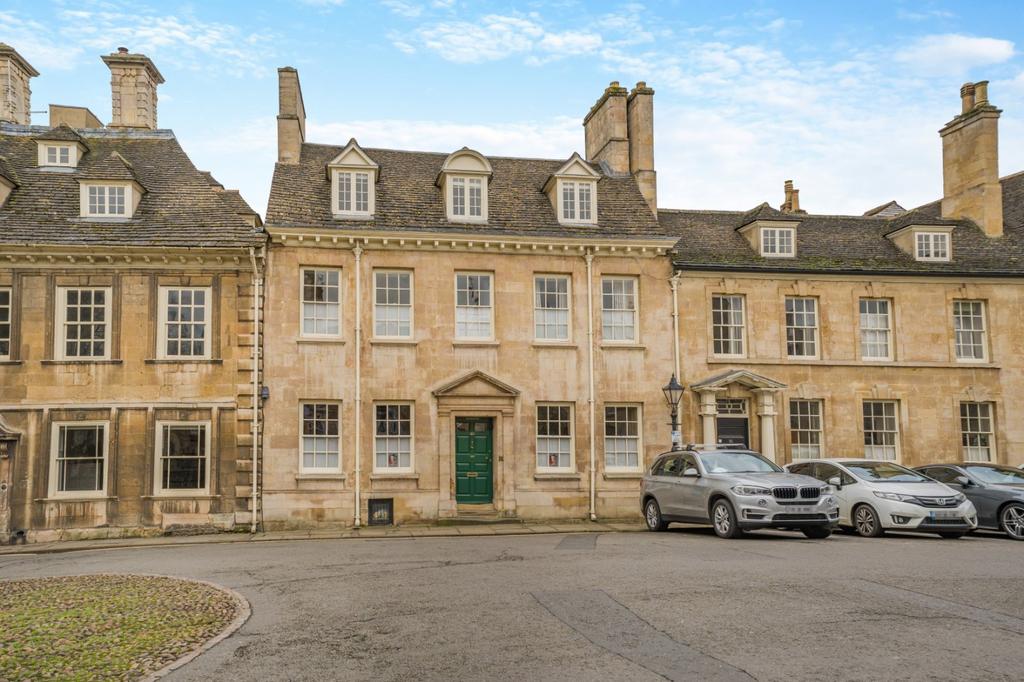
Despite changing fashions, modern materials, and the rise of uPVC, traditional timber sash windows continue to stand the test of time. In fact, many original examples built centuries ago are still functioning today — often in far better condition than modern replacements installed only decades earlier.
So where did sash windows come from, and why have they remained such an important part of British architecture?
What Is a Sash Window?
A sash window is a traditional style of window made up of one or more movable panels, known as “sashes,” that slide vertically within a frame.
Unlike side-hinged casement windows, sash windows were designed to open smoothly up and down using a clever system of weights, pulleys, and cords hidden inside the frame. This innovation allowed homeowners to improve ventilation while maintaining symmetry and elegance.
One of the reasons sash windows became so popular was practicality. Opening both the top and bottom sections allowed warm air to escape through the top while cooler air entered below — creating natural airflow long before modern ventilation systems existed.
Today, traditional sash windows remain one of the most desirable period features in British homes.
The Origins of Sash Windows in Britain
The exact origin of sash windows remains debated among historians, but most experts agree they began appearing in Britain during the late 17th century.
Some historians credit the invention to English scientist and architect Robert Hooke, while others believe the style arrived from Europe before becoming uniquely British in design.
Early sash windows became especially popular during the Stuart period, appearing in grand townhouses and stately homes where symmetry and proportion were becoming highly fashionable.
Unlike earlier leaded windows, sash windows offered a cleaner, more refined appearance that perfectly suited Britain’s growing architectural ambitions.
By the early 1700s, sash windows had become a defining feature of urban British design.
Georgian Sash Windows (1714–1830)
If you picture a classic British sash window, chances are you are imagining a Georgian design.
The Georgian era placed huge emphasis on proportion, balance, and symmetry. Homes built during this period often featured beautifully aligned sash windows arranged evenly across the façade.
The most recognisable Georgian sash style is the famous “6 over 6” configuration, meaning six smaller panes of glass in the top sash and six below.
This design existed largely because glass manufacturing was expensive at the time. Large single sheets of glass were difficult to produce, so smaller panes were joined together using slim timber glazing bars.
Key characteristics of Georgian sash windows included:
-
Elegant proportions
-
Symmetrical layouts
-
Fine timber glazing bars
-
“Six over six” pane arrangements
-
Tall openings designed to maximise light
Many Georgian homes across London, Stamford, Bath, and Cambridge still proudly display their original sash windows today.
Victorian Sash Windows (1837–1901)
As Britain entered the Industrial Revolution, glass manufacturing improved dramatically.
Suddenly, larger sheets of glass became more affordable, allowing Victorian homes to move away from the smaller Georgian panes.
Victorian sash windows typically featured “2 over 2” layouts, with fewer but much larger panes of glass.
The Victorians also became more decorative in their architecture. During this period, builders introduced sash horns — small decorative timber projections designed to strengthen larger glass panes.
Victorian sash windows often appear slightly bolder and more decorative than their Georgian counterparts.
Typical Victorian features include:
-
Larger panes of glass
-
Decorative horns
-
More ornate detailing
-
Taller bay windows in terraced properties
This period saw sash windows spread rapidly across Britain as cities expanded and rows of Victorian terraces were constructed.
Edwardian Sash Windows (1901–1914)
Edwardian sash windows blended elements of Georgian and Victorian design.
Homes built during this era often featured wider openings to let in more natural light, reflecting changing lifestyles and growing suburban development.
A popular Edwardian style was the “6 over 2” arrangement, combining decorative upper panes with larger lower sections.
Edwardian homes frequently felt lighter, brighter, and less formal than earlier properties.
Typical Edwardian sash windows include:
-
Wider openings
-
Decorative upper panes
-
Larger lower panes
-
Simpler, cleaner proportions
Although the Edwardian period was relatively short, many of Britain’s most attractive period properties come from this era.
Why Traditional Timber Sash Windows Last So Long
One reason many original sash windows survive today is the quality of the timber used historically.
Older windows were often crafted from slow-grown hardwoods and high-quality softwoods with naturally tight grain structures. Compared to much of today’s fast-grown timber, historic materials were remarkably durable.
Traditional sash windows were also designed to be repaired rather than replaced.
A rotten sill, snapped cord, damaged pulley, or worn section of timber can often be restored without replacing the entire window.
In many cases, homeowners are surprised to discover their “beyond repair” sash windows simply need professional restoration.
This is why many homeowners now choose sash window repairs Stamford, restoration, or draught proofing rather than complete replacement.
The Decline of Sash Windows
During the 1970s through to the 1990s, many original timber windows were removed in favour of uPVC replacements.
At the time, homeowners were promised “maintenance-free” alternatives.
Unfortunately, many period homes lost much of their original character as poorly matched modern windows replaced beautifully proportioned timber sash frames.
In some cases, original windows that could easily have been restored were removed unnecessarily.
Today, many homeowners regret these changes, especially in conservation areas or listed properties where authenticity matters.
Why Sash Windows Are Making a Comeback
In recent years, there has been a renewed appreciation for period features.
Homeowners increasingly understand that traditional timber sash windows add charm, value, and authenticity to older homes.
Modern improvements now make restoration even more practical, including:
-
Draught proofing systems
-
Improved seals
-
Slimline double glazing
-
Professional timber restoration
-
Traditional sash cord replacement
Rather than replacing original features, many property owners now invest in sympathetic restoration to maintain the character of their homes.
Well-maintained sash windows can continue functioning beautifully for decades — sometimes centuries.
Questions and Answers
When were sash windows first used in Britain?
Sash windows first became popular in Britain during the late 1600s and early 1700s, particularly during the Georgian period.
What is the difference between Georgian and Victorian sash windows?
Georgian sash windows usually feature smaller panes in a “6 over 6” layout, while Victorian sash windows tend to have larger panes in a “2 over 2” design.
Are original sash windows worth restoring?
In many cases, yes. Traditional timber sash windows are often made from high-quality materials and can frequently be repaired rather than replaced.
Can sash windows be double glazed?
Yes. Many period properties can now use slimline double glazing systems while retaining traditional appearance.
Why are old timber sash windows so durable?
Older sash windows were typically built from slow-grown timber with tighter grain and greater durability than many modern materials.
Final Thoughts
Sash windows are far more than simply a way to let light into a home. They tell the story of Britain’s architectural history — from Georgian elegance to Victorian craftsmanship and Edwardian refinement.
Although styles have changed over the centuries, one thing remains clear: well-made timber sash windows were built to last.
For homeowners looking to preserve the character of an older property, restoration often offers the perfect balance between traditional charm and modern comfort.
Sash Window Repairs & Restoration
For enquiries contact NJS.
Call: 07949 876833
Leave a Reply