
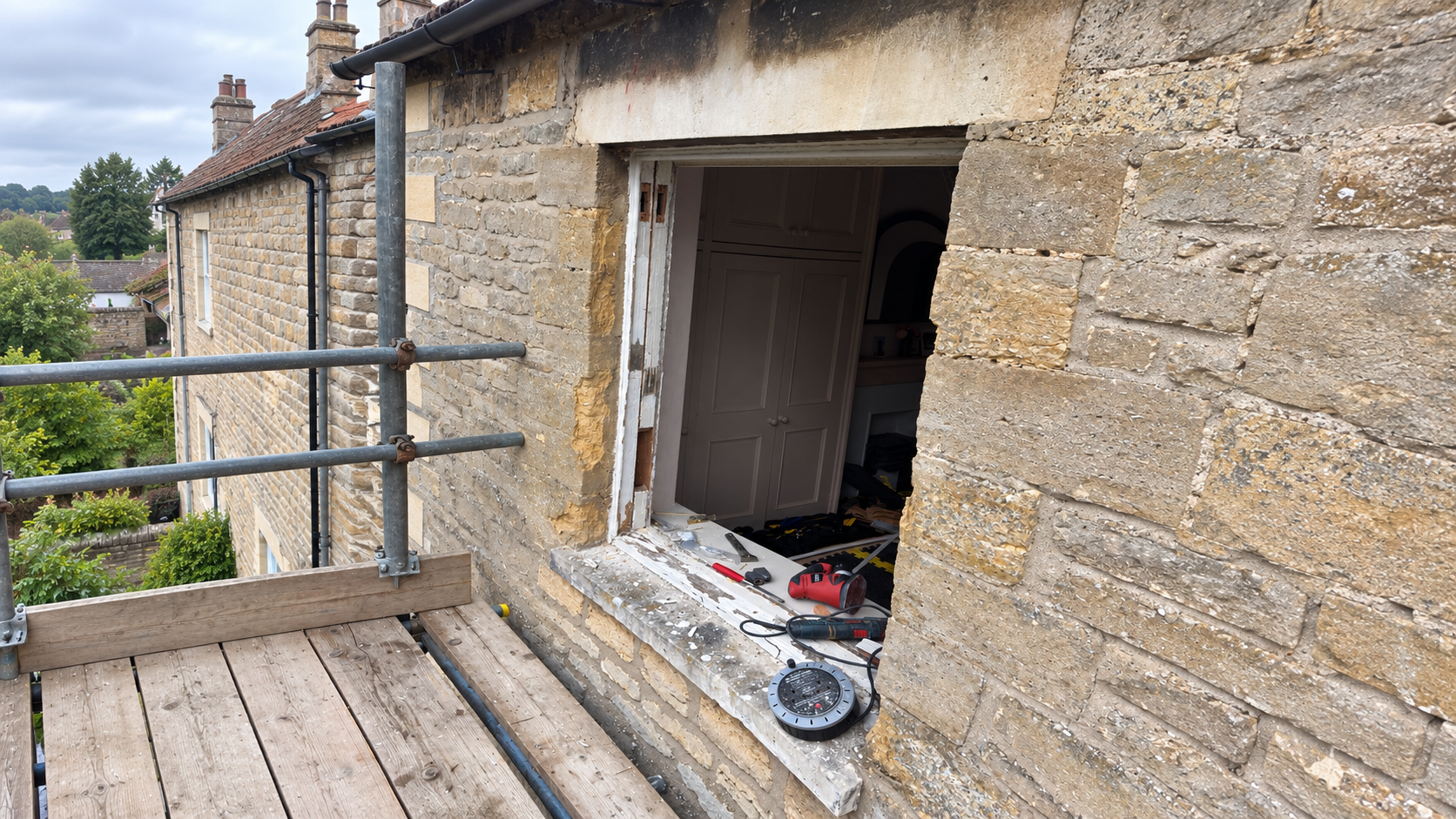
 Original sash windows are part of what gives a period home its character. The proportions, slender glazing bars and traditional timber frames all contribute to the appearance of the property and the surrounding street.
But what happens when those windows become draughty, difficult to open or damaged by rot?
Sash window repairs for conservation areas can often improve operation and comfort while preserving existing features. Before assuming your windows need replacing, it is worth finding out what can be repaired.
At NJS Sash Windows, we repair and restore traditional timber sash windows across Stamford, Peterborough, Cambridgeshire villages and Oakham and Rutland, with restoration experience dating back to 2005.
Can You Repair Sash Windows in a Conservation Area?
In many cases, yes. Being in a conservation area does not mean you cannot maintain your windows.
Historic England advises that like-for-like repairs will not usually require consent. However, alterations to windows may need approval, particularly where the property is listed or an Article 4 Direction applies. The proposed work and the protection affecting your property both matter.
The first step is to assess the windows carefully. A broken cord, damaged sill or sticking sash does not necessarily justify removing the complete window.
Conservation Areas and Listed Buildings: What Is the Difference?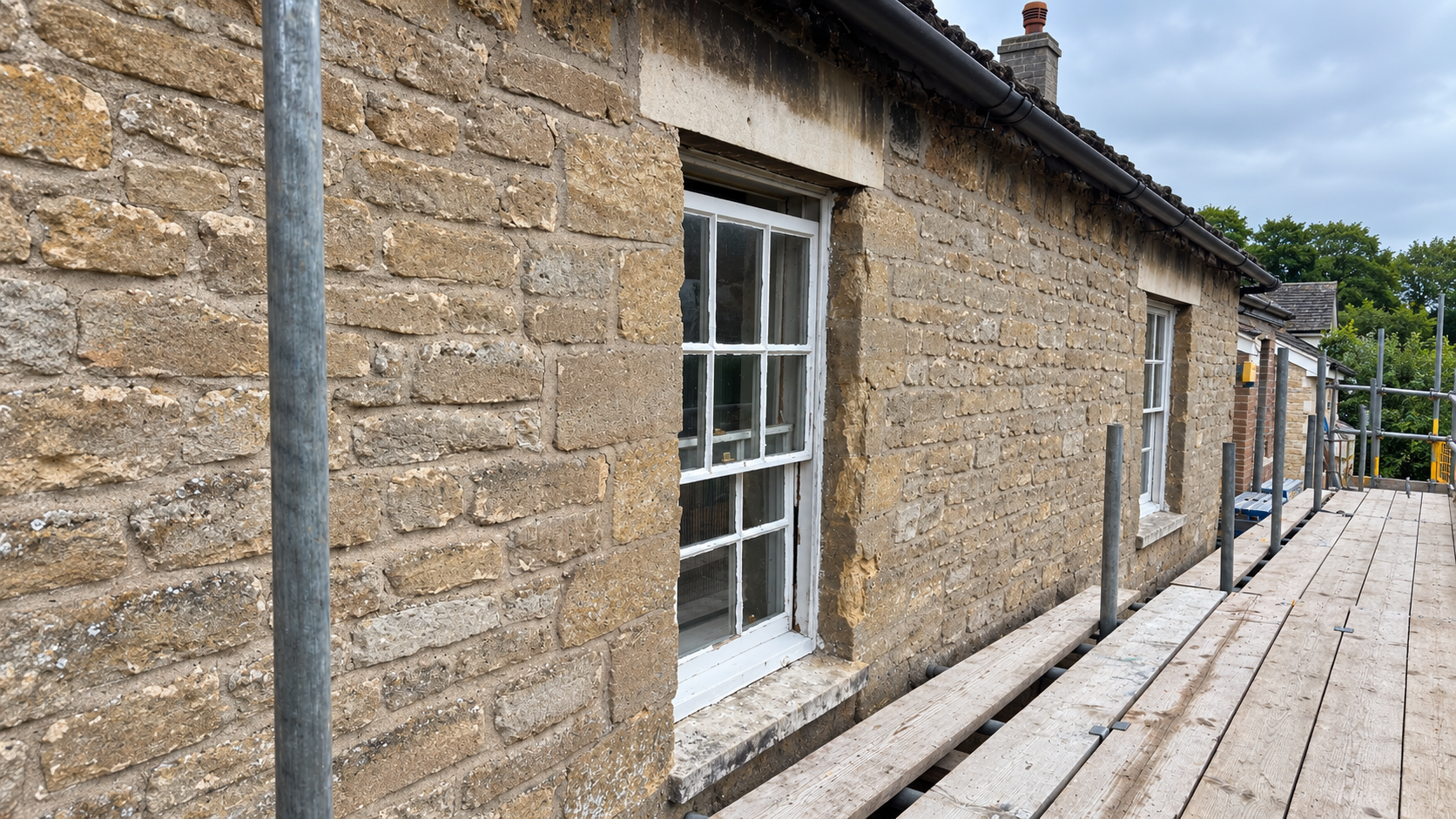
A conservation area protects the architectural or historic character of an area. A listed building has separate protection relating to its own special architectural or historic interest. A home can fall into both categories.
For an unlisted home in a conservation area, an Article 4 Direction may remove particular permitted development rights, including those covering window replacement. Check with your local planning authority to establish which restrictions apply.
For a listed building, listed building consent is required for alterations that affect its special character. Planning permission and listed building consent are separate requirements, so checking one does not settle the other.
Do not assume that an approach accepted at a neighbouring property will automatically be suitable for yours.
What Can Be Repaired on a Traditional Sash Window?
A condition assessment helps identify which parts remain sound and where repairs are needed. Work may include:
- Replacing broken sash cords.
- Checking pulleys and correcting sash balancing.
- Repairing localised timber decay.
- Splicing replacement timber into damaged sections.
- Repairing or replacing deteriorated sill sections.
- Renewing failed putty.
- Repairing damaged glazing, subject to the significance of the existing glass.
- Adjusting sashes that stick or rattle.
The aim is to retain sound original material and choose repairs appropriate to the window. Extensive replacement, changes to detailing or removal of historic glass need particular care and may require consent.
Making Heavy Sash Windows Easier to Open
Traditional sash windows rely on cords, pulleys and counterweights to operate smoothly. When the balance is wrong, the window can feel extremely heavy or refuse to stay open.
Repairing the mechanism can make a substantial difference without changing the external appearance.
On one recent NJS project, a sixteen-pane Georgian sash window was considerably out of balance. We corrected the weights, replaced damaged glass and renewed the putty as part of the restoration.
After balancing, the sash could be moved with one finger. We nicknamed it the “Bruce Lee sash window”—a memorable example of how restoring the working parts can transform everyday use.
Draught Proofing Original Sash Windows
You do not necessarily have to replace original windows to reduce draughts.
Depending on the window, draught proofing may involve discreet brush seals, attention to the staff and parting beads, and adjustments to the fit of the sashes. Balancing and repairs can be carried out alongside this work.
On protected buildings, the method should respect the existing joinery and historic features. Draught proofing is not automatically exempt from consent: work that damages historic fabric or affects important features needs further consideration.
Can You Fit Double Glazing in a Conservation Area?
There is no blanket answer covering every property.
The suitability of a glazing upgrade depends on the existing windows, the building’s significance, local planning controls and the proposed design. Calling a product “heritage double glazing” does not automatically mean it will be approved.
Before ordering replacement sashes or changing the glazing, check the council’s guidance and discuss the proposal with the local planning authority or conservation officer. Historic England recommends checking local policies, conservation area appraisals and any Article 4 Directions when considering window upgrades.
NJS can assess the practical suitability of your windows and explain the proposed work, helping you establish what needs discussing with the council.
How Much Do Conservation Area Sash Window Repairs Cost?
The price depends on the condition of each window and the extent of the repair.
Replacing cords and balancing a sound window is a different job from repairing a rotten sill, restoring damaged glazing bars and carrying out extensive joinery work.
Access, window size, glazing requirements and the agreed repair specification also affect the quotation. A clear assessment helps you understand what can be retained and what the work will involve.
To start, send photographs of the complete window and close-ups of any damage. Let us know your location and whether the property is listed or subject to conservation area restrictions.
Local Sash Window Repairs Across Stamford and Surrounding Villages
NJS welcomes enquiries from homeowners in Stamford, Peterborough and nearby villages, including Elton, Wansford, Castor, Ailsworth and Helpston.
We also cover the wider Cambridgeshire area and Rutland, including Oakham, Uppingham and surrounding villages.
Whether you have a cottage with one sticking sash or a period house with several windows needing attention, we can assess the condition and discuss a suitable repair approach.
Arrange a Sash Window Assessment
If your original sash windows are draughty, difficult to lift or showing signs of timber decay, contact NJS Sash Windowsto discuss the options.
Send photographs, your location and a brief description of the problem.
Email: hello@njsash.co.uk
Website: www.njsash.co.uk
Traditional sash window repair and restoration we work across Stamford and Rutland
Peterborough, Cambridgeshire.
Leave a Reply